
Wear and Tear, or Wear and Care?
Understanding Osteoarthritis
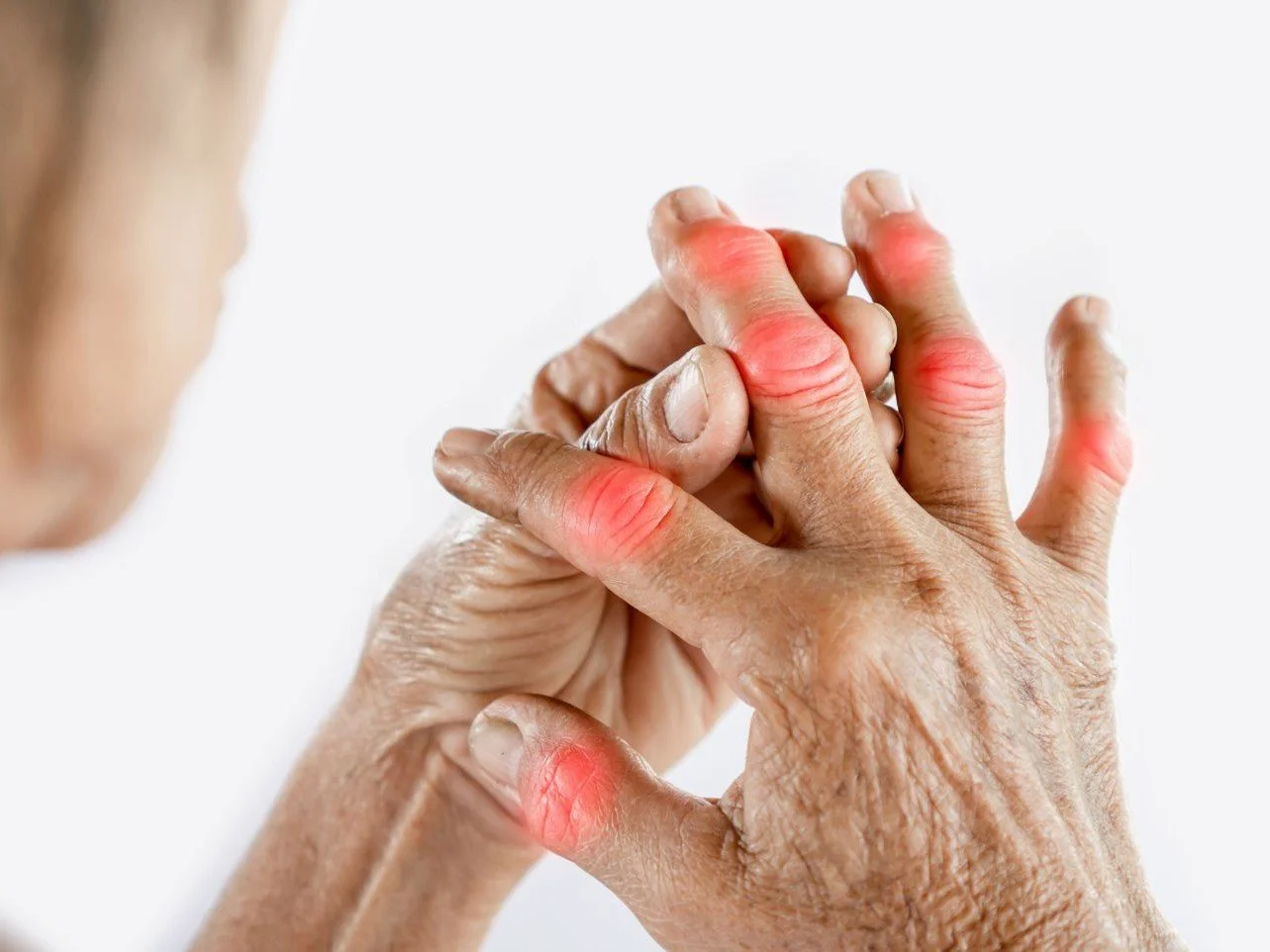
If your joints are starting to feel stiff, sore, or just not as cooperative as they used to be, it can be easy to brush it off as “just getting older”. But pain and reduced movement are not things you simply have to accept as part of ageing. If it’s starting to affect your daily life, it may be worth booking an appointment with us here at Apex Chiropractic on 1300 274 493 so we can assess it properly and help you stay moving with confidence.
Osteoarthritis is one of the most common joint conditions we see in clinic. It is often described as “wear and tear”, but that phrase doesn’t fully reflect what is happening inside a joint. It is better understood as a change in how joint tissues adapt to load, movement, and time.
Joints are not simple hinges - (no, not even the elbow, knee or smaller finger joints). They are dynamic systems made up of cartilage, bone, ligaments, joint fluid, and the muscles that support and control movement. Cartilage provides a smooth, cushioned surface that allows joints to glide efficiently under load. (Although we admit the elbow, knee and finger joints do act like hinges from a biomechanical perspective). In osteoarthritis, this cartilage gradually becomes thinner and less resilient. The underlying bone may respond by thickening and forming osteophytes, which can contribute to stiffness and altered joint mechanics.
Where it commonly develops
Osteoarthritis most commonly affects weight-bearing joints, particularly the knees, hips, and spine. These areas take repeated load through walking, standing, lifting, bending, and everyday activity.
The hands are also commonly affected, especially in tasks involving gripping or repetitive fine motor work.
This does not mean these joints are simply “wearing out”. It reflects a combination of load history, movement patterns, previous injury, genetics, muscle strength, and how well the joint has adapted over time.
How it presents
Osteoarthritis symptoms vary widely between individuals. Some people notice mild, occasional discomfort, while others experience persistent pain that interferes with daily function.
Common features include:
Stiffness, particularly first thing in the morning or after periods of rest
Aching or deep joint pain that increases with load
Reduced range of motion
Grinding, clicking, or creaking sensations during movement
Flare-ups of swelling or irritation after heavier activity
A common pattern is that joints feel stiff after rest, ease with gentle movement, then may become more irritated again after prolonged or repetitive use. This can make symptoms feel inconsistent and difficult to predict.
What is happening in the joint
Despite the label, osteoarthritis is not simply “bone on bone”. While cartilage changes are a key feature, the condition also involves the joint capsule, ligaments, surrounding muscles, and the way the nervous system processes pain.
This helps explain why imaging findings and symptoms do not always match. Some people have significant structural changes on scans with minimal pain, while others experience meaningful symptoms with only mild changes.
Pain is influenced not just by tissue change, but also by load tolerance, sensitivity, strength, sleep, stress, and overall activity levels.
Common management approaches
There is no single “fix” for osteoarthritis, but there are many effective ways to manage symptoms and improve function.
Movement is central. Regular, appropriately guided exercise helps maintain joint mobility, supports cartilage health, and improves the strength of the muscles that help offload the joint. Movement also helps reduce stiffness and can improve overall confidence in using the affected area.
Strength training is particularly important for weight-bearing joints like the knees, hips, and spine. Stronger muscles act as shock absorbers, helping distribute force more efficiently during everyday activities.
Chiropractic care may assist with improving joint mobility, reducing stiffness in surrounding tissues, and supporting more comfortable movement patterns. This is often most effective when combined with an active rehabilitation approach.
Education is another key part of care. Understanding that osteoarthritis does not mean a joint is simply “breaking down” helps reduce fear around movement and encourages safe, ongoing activity.
Other strategies may include pacing activity, adjusting load during flare-ups, heat therapy for stiffness, and addressing contributing factors such as muscle weakness or altered movement habits.
The bigger picture
Osteoarthritis can be uncomfortable and at times limiting, but it does not mean movement needs to stop. Many people continue to improve their function and reduce symptoms with the right combination of education, exercise, and support.
As chiropractors, our focus is on helping you understand what is happening, keep joints moving well, and build a plan that supports long-term mobility and confidence.
Ready to take the next step?
If joint pain or stiffness is starting to interfere with your daily life, it may be worth getting it assessed early. Book an appointment with Apex Chiropractic on 1300 274 493 and we can guide you through your next steps.
And if you’d like more practical musculoskeletal health insights, follow us on instagram here, or Facebook here.
Whether you’re in Avondale Heights, Essendon, Keilor East, Ascot Vale, Moonee Ponds, Maribyrnong, or Niddrie, we’re here to help you move and feel your best.
📍 Visit us at 149 Military Rd, Avondale Heights VIC 3034
Information provided here (including text, graphics, images, outbound links, and other material) is for informational purposes only. It is general in nature and is not to be used or considered as a substitute for personalised professional medical advice, diagnosis, or treatment. Always seek the advice of your qualified allied health provider regarding any symptoms, medical conditions, or treatments and before undertaking any new health care regimen.