
Neck & Shoulder Tension: What May Be Contributing?
Have you ever finished a long day at work and realised your shoulders have slowly crept towards your ears, your neck feels stiff, and turning your head doesn't feel quite as easy as it should?
Neck and shoulder tension is extremely common, particularly for people who spend long periods sitting at a desk, looking at a screen, driving, training, or dealing with periods of increased stress.
The good news is that neck and shoulder tension is often influenced by a combination of factors, rather than one single problem. Understanding what may be contributing to your symptoms can be an important first step towards managing them.
At Apex Chiropractic in Avondale Heights, we regularly see people from Avondale Heights, Essendon, Keilor East, Niddrie, Moonee Ponds, Ascot Vale and Maribyrnong seeking help for neck stiffness, shoulder tension and related musculoskeletal symptoms.
So, what causes neck and shoulder tension, and what can you do about it?
What causes neck and shoulder tension?
There isn't always one obvious cause. Neck and shoulder tension can develop from a combination of physical, lifestyle and psychological factors.
1. Spending too long in one position
One of the most common contributors is simply staying in the same position for too long.
This could mean sitting at a computer, looking down at a phone, driving, working at a desk or even spending hours on the couch.
It's important to understand that this doesn't necessarily mean your posture is "bad".
In fact, research examining the relationship between head and neck posture and neck pain has found that the relationship is more complicated than simply identifying one "correct" posture.
Rather than trying to maintain perfect posture all day, it can be more useful to regularly change position and move your neck and upper body throughout the day.
Try this:
Set a reminder to stand up, walk around and move your neck and shoulders every 30–60 minutes during long periods of sitting.
Small amounts of movement throughout the day can be more practical than trying to hold yourself in one perfect position.
2. Stress and muscle tension
Have you ever noticed that your shoulders become tense when you're stressed?
You're not imagining it.
When we're under pressure, it's common to unconsciously increase muscle tension, particularly around the neck and shoulders. Stress can also influence sleep, activity levels and how we respond to pain.
This means that sometimes the solution isn't simply stretching the muscles that feel tight.
It may also involve looking at the bigger picture — including sleep, exercise, workload, stress and recovery.
Try this:
If you notice yourself holding tension through your shoulders during the day, take a few slow breaths and consciously relax your shoulders. Combine this with regular movement rather than relying solely on stretching.
3. Lack of movement and exercise
Your neck and shoulders are designed to move.
When we spend much of the day sitting and have little opportunity for physical activity, the muscles and joints around the neck, upper back and shoulders may become less accustomed to movement and loading.
Research into risk factors for neck pain has identified factors including lack of exercise, prolonged electronic device use and prolonged sitting as being associated with neck pain, although individual risk varies.
Regular exercise doesn't have to mean an elaborate gym program.
Walking, resistance training, running, swimming or simple mobility exercises can all provide opportunities to move your body and build physical capacity.
Try this:
Include some form of regular physical activity that you enjoy, and consider incorporating strengthening exercises for the upper back, shoulders and neck where appropriate.
How sleep, screens and your daily habits can contribute
Your neck doesn't operate independently from the rest of your lifestyle.
Poor sleep, long periods on your phone, an uncomfortable workstation or spending hours driving can all contribute to how your neck and shoulders feel.
Your sleeping position and pillow
If you regularly wake up with neck stiffness, it may be worth considering your sleeping position and pillow.
A systematic review examining different pillow designs found that certain pillow characteristics may influence neck pain and waking symptoms in people with chronic neck pain. However, the evidence doesn't suggest there is one universally "best" pillow for everyone.
Instead of searching for the perfect pillow, focus on finding an arrangement that allows you to sleep comfortably and doesn't consistently leave you waking with increased symptoms.
Your phone and computer use
Modern life means many of us spend hours looking at screens.
The issue isn't necessarily that looking down at a phone is inherently damaging. Rather, spending prolonged periods in one position without changing position or moving can contribute to discomfort for some people.
A simple solution is to vary how you use your devices.
Change position, take regular breaks and avoid spending extended periods in the same posture whenever possible.
The most useful approach will depend on what's contributing to your symptoms.
For some people, the answer may be as simple as increasing daily movement, improving sleep habits and incorporating appropriate strengthening exercises.
For others, particularly when symptoms are persistent or affecting daily activities, a thorough assessment can help identify factors that may be contributing to their symptoms.
A healthcare professional may assess your neck and upper body movement, strength, physical activity, work demands and other relevant factors before discussing appropriate management options.
For people with neck pain, clinical practice guidelines support approaches such as exercise, advice and, where appropriate, manual therapy as part of management for certain types of neck pain. The appropriate approach depends on the individual and their presentation.
Where can chiropractic care fit?
Chiropractic care can form part of a broader management approach for some people experiencing musculoskeletal neck and shoulder symptoms.
At Apex Chiropractic, an initial consultation involves discussing your symptoms, relevant history and goals before assessing your movement and determining whether chiropractic care is appropriate.
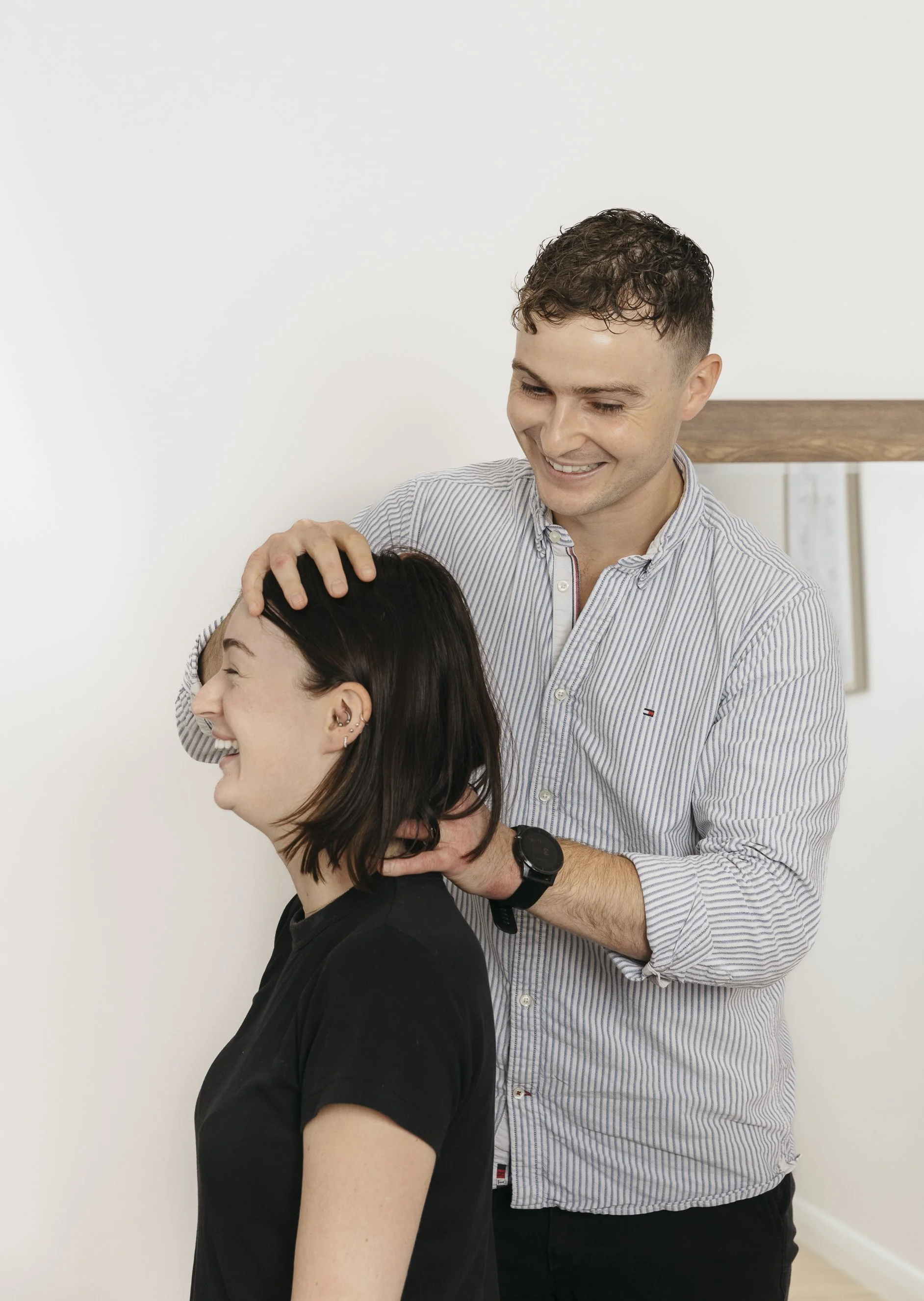
Where appropriate, treatment may include hands-on techniques alongside advice around movement, exercise and other factors that may be relevant to your presentation.
The goal isn't simply to keep treating a symptom without understanding the bigger picture.
Instead, the focus is on helping you understand your symptoms and identify practical strategies that may help you manage them.
Importantly, everyone's presentation is different, and no particular treatment is appropriate for every person.
When should you have your neck and shoulder tension assessed?
Occasional neck or shoulder tension isn't necessarily something to be concerned about.
However, if your symptoms are persistent, getting worse, regularly returning, limiting your movement or interfering with work, exercise or everyday activities, it may be worth having them assessed.
Some neck symptoms can also have causes that require medical assessment rather than musculoskeletal care. If you have significant or unusual symptoms, particularly following significant trauma or alongside other concerning symptoms, seek appropriate medical care.
A proper assessment can help determine whether your symptoms are appropriate for chiropractic care or whether another healthcare professional would be more suitable.
Neck and shoulder tension in Avondale Heights and surrounding suburbs
If you're experiencing ongoing neck stiffness, shoulder tension or musculoskeletal discomfort, Apex Chiropractic provides chiropractic care in Avondale Heights, conveniently located for people travelling from surrounding areas including Essendon, Keilor East, Niddrie, Moonee Ponds, Ascot Vale and Maribyrnong.
Whether your symptoms have developed from long hours at a desk, training, driving, everyday activities or a combination of factors, the first step is understanding what's contributing to them.
If you'd like to discuss your neck or shoulder symptoms, you can book an appointment with Apex Chiropractic in Avondale Heights to arrange an assessment and discuss whether chiropractic care is appropriate for you.
This article provides general health information and is not a substitute for an individual assessment or medical advice. Chiropractic treatment is not appropriate for everyone, and individual responses to treatment vary.
📍 Visit us at 149 Military Rd, Avondale Heights VIC 3034